
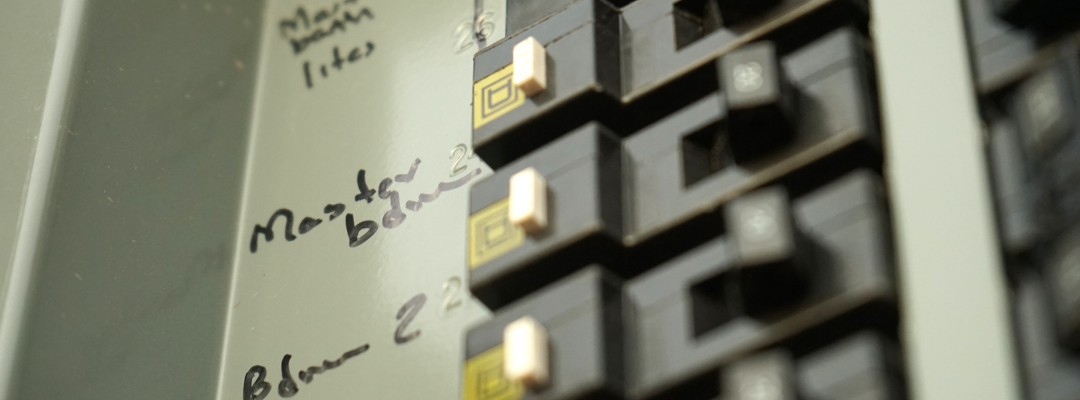
As your home’s electrical needs grow, you may find yourself running out of space in your main electrical panel. Whether you’re adding new appliances, expanding your home, or simply updating your electrical system, you might wonder whether to add a sub panel or upgrade your main panel. Both options have their benefits, and the best choice depends on your specific situation.
Understanding Electrical Panels
The main electrical panel, often called the breaker box, is the heart of your home’s electrical system. It distributes power from the utility company to the various circuits in your home. Over time, as you add more electrical devices, the demand on your panel increases, which may lead to the need for more circuits than your main panel can handle.
A sub panel is an additional panel that allows you to add more circuits when your main panel is full. It’s connected to your main panel and can be installed in another part of your home, such as a garage, basement, or new addition.
When to Consider Adding a Sub Panel
Adding a sub panel is often a good option when your main panel has no room for additional circuits, but your overall electrical load is still within safe limits. Here are some scenarios where a sub panel might be appropriate:
Convenience: A sub panel can make it easier to manage circuits in a specific part of your home, reducing the need to run long wires from your main panel.
Home Additions: If you’re building an addition, garage, or a separate structure, a sub panel can supply power to that area without overloading the main panel.
Workshop or High-Power Areas: If you have a workshop, garage, or any other area that requires heavy-duty equipment or multiple circuits, a sub panel can be a practical solution.
When to Upgrade Your Main Panel
Upgrading your main panel may be necessary when your electrical needs exceed the capacity of your current system. This is often the case in older homes or when you’re making significant changes that increase your overall power demand. Consider a panel upgrade if:
Frequent Breaker Trips: If your breakers are constantly tripping, it may be a sign that your main panel is struggling to keep up with demand, indicating the need for an upgrade.
Outdated Panel: Your current panel is outdated or has safety concerns, such as being a Federal Pacific Electric (FPE) panel or using old, unreliable breakers.
Increased Power Demand: You’re planning major renovations, adding large appliances, or installing energy-hungry systems like electric vehicle chargers or HVAC systems.
Making the Right Choice
The decision between adding a sub panel or upgrading your main panel depends on your home’s current electrical capacity, your future power needs, and the condition of your existing panel. Consulting with a licensed electrician is crucial to determine the best solution for your home. They can assess your electrical system, ensure it meets current safety codes, and recommend the most cost-effective and efficient option.
In summary, adding a sub panel can be a convenient way to expand your electrical capacity for specific areas, while upgrading your main panel provides a comprehensive solution for increasing your overall power capacity and improving safety. Each option has its merits, and with the right guidance, you can make an informed decision that keeps your home powered safely and efficiently for years to come.
Contact Us
If you suspect your home needs a sub panel or panel upgrade, our team is here to help. Contact us today for a consultation and ensure your home’s electrical system is safe and up-to-date.
Call or text: (253) 432-8151
Email: bryce@illumenatielectric.com